
Choosing solar batteries for home use in Perth involves looking beyond just finding empty wall space. Some homeowners assume that any empty space at home is an ideal placement for a battery installation. However, choosing a location for your solar batteries at home goes beyond finding enough wall space.
With home batteries becoming more affordable and accessible, households are considering renewable energy to control their electricity consumption. In fact, there were 276,011 home batteries installed in the first half of 2026 (PV Magazine).
For Perth properties, there are placement factors and electrical requirements that influence where a battery can be installed safely for the long term. By understanding these considerations, it helps you prepare for a smoother installation and avoid choosing a risky location.
Why Battery Placement Matters for Perth Homes
Selecting the ideal location for solar batteries for home setups protects your equipment from severe weather, prolongs battery lifecycle, and maximizes long-term energy savings.
According to the WA Government BESS Installation Guidelines, battery placement matters in preventing potential fire and explosion. It is because some types of batteries have flammable properties, making adequate ventilation a topmost priority.
5 Placement Considerations for Solar Batteries for Home Systems
When planning for solar and batteries installation, here are five placement factors to consider in choosing the right spot for proper battery and solar design:
Indoor or Outdoor Location
If you own a garage, you’d most likely assume that it is the best place to install your battery as it could keep it away from rain and direct sunlight. In addition, it keeps your equipment close to the switchboard and inverter. However, that’s not always the case because the space should meet the battery manufacturer’s requirements and applicable installation standards.
Meanwhile, outdoor placement requires home solar battery systems with an approved environmental or ingress protection rating. When installing outdoors, an exterior wall with ample clearance ensures better airflow and maintenance access than a cramped enclosure.
Heat Exposure
Perth’s hot summers make surrounding ambient temperature a major safety factor. Direct sunlight can severely lower efficiency when installing solar batteries for home systems on west-facing exterior walls.
When planning the layout for your solar and battery installation in Perth, look at the property’s existing shade before choosing an exterior wall. Eaves, nearby structures, wall orientation, and surrounding surfaces influence how much heat reaches the battery. It also identifies north- and west-facing aspects as undesirable for BESS installations because of high solar radiation.
Ventilation
Once heat is considered, airflow becomes another important part of the assessment. Safe airflow is a fundamental requirement when installing solar batteries for home setups. A battery should not simply be placed wherever there is an empty enclosed cupboard or tight corner. Ventilation requirements depend on the battery technology, proper solar installation, and manufacturer’s instructions.
The Department of Fire and Emergency Services (DFES) highlights the importance of lithium-ion battery safety. For residential solar battery systems in Perth, installations must comply with applicable Australian safety standards, including AS/NZS 5139, and the manufacturer’s requirements. These standards specify safe installation locations, appropriate clearances from doors, windows and ventilation openings, and fire protection measures where required. A qualified battery installer can assess your property and determine the safest compliant location.
Accessibility
A battery needs to remain accessible long after installation. Professional battery technicians must be able to access it for inspection, servicing, testing, maintenance, or emergency shutdown procedures. So, if you’re deciding on its placement, consider how the space will evolve several years from now.
Accessibility also helps protect the system from accidental damage by keeping the battery visible and free from obstructions. It also ensures warning labels, isolation controls, and shutdown information are easy to find.
Electrical Requirements
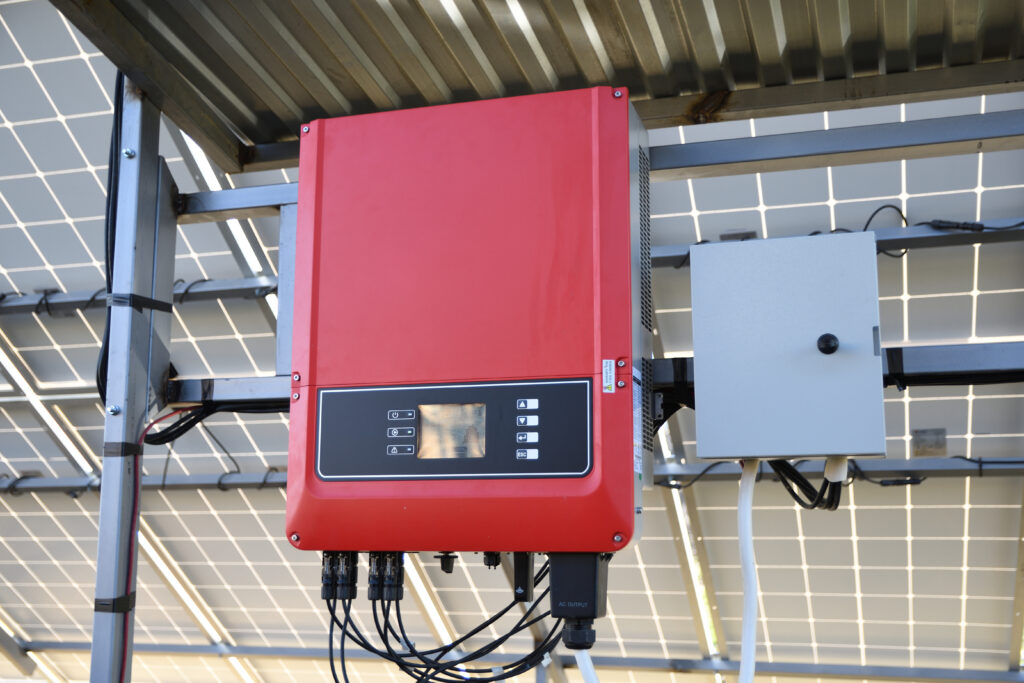
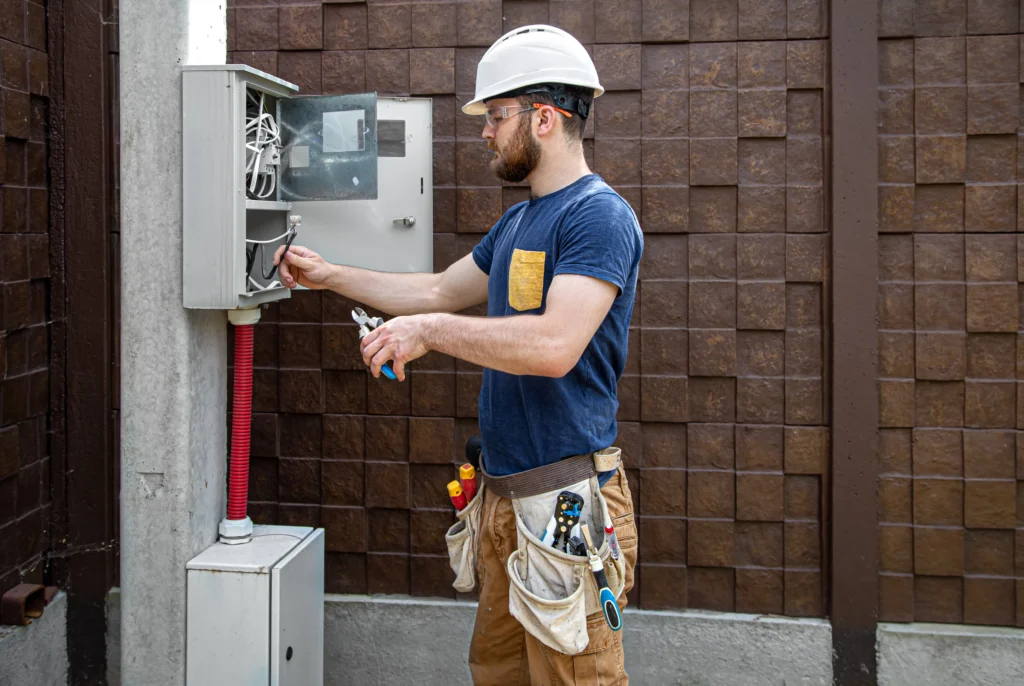
Qualified installers evaluate switchboards and distance pathways to ensure solar batteries for home integrate safely with your existing inverter and grid connection. Before installation, a qualified installer may need to assess the following:
- Switchboard
- Inverter location
- Cable pathways
- Isolation equipment
- Protection devices
- Distance between battery and system components
These factors help determine whether the chosen location allows for safe connections and efficient system operation for solar batteries at home. In addition, it ensures that equipment is installed according to requirements and manufacturer instructions.
Plan Your Battery Installation in Perth with Us Today!
Choosing the right battery location involves more than finding an available wall or open space. Considering heat exposure, ventilation, accessibility, and electrical requirements helps ensure your system is installed safely and works efficiently for years.
At SolArk Electrical, we assess your home’s layout and installation requirements to determine the safest and most efficient placement for solar batteries for home energy storage. If you are planning a solar upgrade or comparing your options, contact our solar company in Perth for professional advice today!
Frequently Asked Questions (FAQs)
Here are answers to commonly asked questions about solar battery installation placement:
Can solar battery be installed outside our home?
Yes, solar batteries can be installed outdoors if the equipment meets environmental protection requirements and the location has proper clearance. The area should protect the battery from extreme heat, direct sunlight, weather exposure, and physical damage.
Can I choose the battery location before getting a quote?
You can suggest your preferred battery location, but a professional assessment is needed before confirming the installation. There are technical and safety considerations to assess before a location is chosen.
Should a battery be placed near an air-conditioning unit or appliance?
No, a battery should not be installed where heat from appliances can affect its operating conditions. Your installer should assess nearby equipment and choose a location with suitable airflow, clearance, and temperature control.