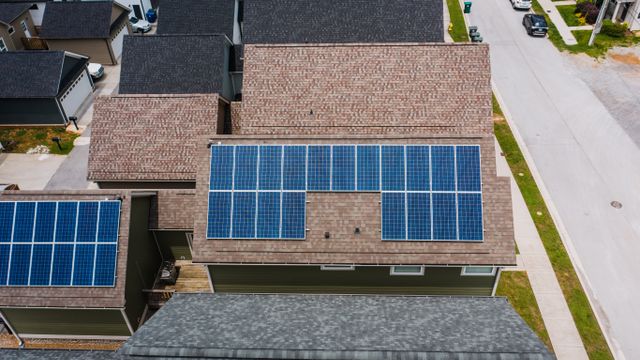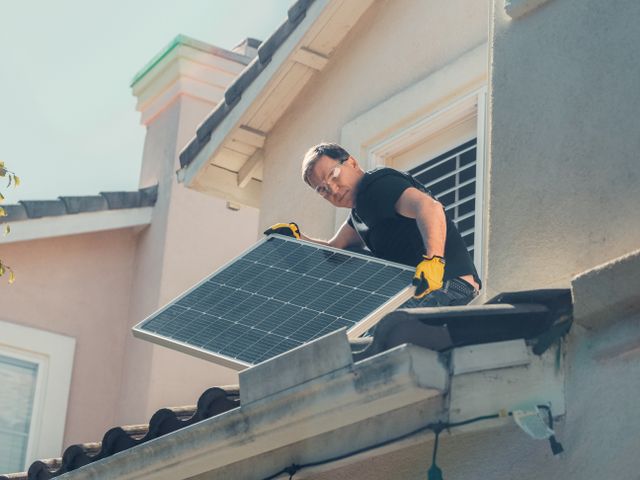

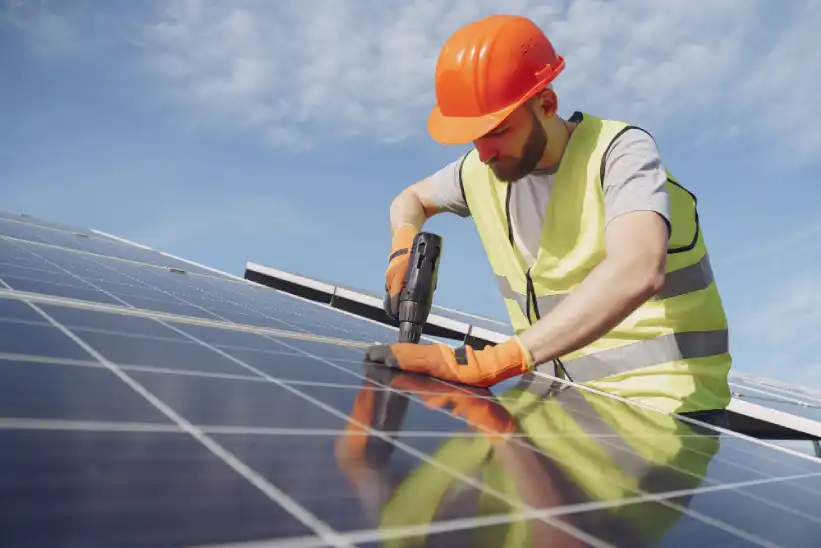
Many homeowners wonder whether there is a perfect season to install solar panels. The good news is that Mandurah’s climate supports solar energy generation throughout the year. In this way, it makes solar a worthwhile investment regardless of when you start.
According to the Australian Bureau of Statistics, electricity prices increased by 3.7% in the 12 months to February 2026. This highlights why many households are looking for ways to reduce long-term energy costs.
If you’re considering solar panels in Mandurah, WA, understanding how seasonal factors affect installation and energy savings can help you make a more informed decision.
Why Timing Matters When Installing Solar Panels
Many homeowners assume that sunshine is the only factor to consider when installing Solar Panels in Mandurah, WA. However, your energy usage, installation demand, household plans, and electricity costs all play an important role in determining the best time to install.
The biggest advantage of installing Solar Panels in Mandurah, WA sooner is simple: the earlier your system starts generating electricity, the sooner you begin reducing your reliance on grid power. Delaying installation also often means delaying potential savings. This is one reason why demand for solar panel installation in Mandurah and Perth remains strong throughout the year rather than being limited to a single season.
This approach is reflected in broader solar adoption trends. According to the Clean Energy Regulator, Australia added 791 MW of new small-scale solar capacity during the first quarter of 2026. This continued growth suggests that many homeowners are choosing to invest in solar sooner to start benefiting from lower electricity costs and greater energy independence.
Mandurah’s Climate Supports Solar All Year Round
Mandurah benefits from abundant sunshine and relatively mild winters, making solar generation viable throughout the year. Even during cooler months, modern solar panels continue producing electricity whenever sunlight reaches the system.
Summer Offers Immediate Relief from High Energy Bills
Summer is often the first season homeowners consider when thinking about solar installation. The long daylight hours and increased air conditioning use mean electricity consumption typically rises during warmer months. As such, installing solar during the summer allows you to offset a larger portion of these seasonal energy costs almost immediately.
Benefits of summer installation include:
- Longer daily sunlight hours
- Higher daytime energy production
- Reduced air conditioning costs
- Faster access to energy savings
However, summer is also one of the busiest periods for the industry. If you’re planning to install Solar Panels in Mandurah, WA, it’s best to book your installation before peak heat arrives to avoid scheduling delays.
Autumn Provides Ideal Planning Conditions
Autumn is often considered one of the most balanced times to install solar panels. This is because the weather is generally milder, installation conditions are more comfortable, and demand may be less intense than during peak summer periods.
This creates an opportunity to prepare your home before winter and maximise energy generation during the following spring and summer. For many homeowners considering solar panels in Mandurah, WA, autumn offers a practical balance between favourable conditions and forward planning.
Autumn is also an ideal time to assess your household’s energy needs because you have already experienced the higher electricity usage that often comes with summer air conditioning.
Reviewing recent electricity bills can give you a better understanding of your household’s energy usage. This information can help you decide whether future additions, such as electric vehicle (EV) charging or battery storage, should be included in your solar system design. This way, you can size your solar system more accurately and avoid costly upgrades later.
Winter Can Be an Underrated Installation Window
A common misconception is that solar panels are ineffective during winter. In reality, solar systems continue generating electricity throughout the season. In fact, winter installations can provide these benefits:
- Shorter wait times
- Greater installer availability
- More time to prepare for summer energy demand
- Earlier access to future savings
As solar adoption continues to increase, homeowners are also pairing solar with battery storage. According to ABC News, Australia now has approximately 600,000 home battery systems installed, demonstrating growing interest in energy independence and self-consumption.
Spring Helps You Prepare for Summer Savings
Spring offers a combination of improving weather conditions and increasing daylight hours. Installing solar during spring allows your system to build generation momentum before the highest summer electricity bills arrive. Many homeowners use this period to maximise their energy setup before air conditioning usage increases.
Spring is also an excellent time to assess the condition and performance of an existing solar system. Scheduling maintenance or repairs for Solar Panels in Mandurah before summer can help resolve minor issues and ensure your system is ready to handle higher seasonal energy demand. As a result, this proactive approach can help maximise savings during the warmer months.
Factors More Important Than the Season
Choosing when to install solar should involve more than simply looking at the calendar. Make sure to also consider:
- Current electricity bills
- Roof condition
- Future household energy needs
- Battery storage plans
- Budget and available incentives
These factors often have a greater impact on long-term results than seasonal conditions alone. For example, Australia’s rooftop solar market continues to expand as more homeowners focus on long-term energy savings. In fact, PV Magazine reports that Australia had approximately 4.3 million rooftop solar installations and 28.3 GW of rooftop solar capacity by the end of 2025.
This highlights the importance of choosing the right system for your household’s needs rather than waiting for a particular season. Working with the best solar company in Mandurah and Perth can help you determine the most practical installation timeframe for your specific situation.
Start Saving with Solar Panels in Mandurah Today
The best time to install solar panels is often sooner than many homeowners expect. While each season offers unique benefits, the right timing ultimately depends on your household’s energy usage, budget, and future plans. Waiting for the perfect season may simply postpone valuable savings and energy independence.
At SolArk Electrical, we help homeowners choose the right solar solution based on their property’s unique requirements and long-term goals. If you’re considering solar panels in Mandurah, WA, our experienced team can assess your needs, recommend the right system, and guide you through every stage of the installation process. For more information on our services, submit an enquiry today!
Frequently Asked Questions (FAQs)
Here are answers to common questions about installing solar panels in Mandurah, WA:
How many solar panels do I need?
The number of solar panels you need depends on your household’s electricity usage, roof space, and energy goals. Most Australian homes require between 15 and 25 panels, but a professional assessment can determine the right system size for your needs.
Can seasonal shading affect solar performance?
Yes, changing sun angles throughout the year can alter how nearby trees or structures cast shadows on your panels. A professional site assessment can help minimise shading impacts year-round.
Is there a seasonal difference in solar panel maintenance?
Yes, maintenance needs can vary throughout the year. For example, autumn may require leaf removal, while spring is often a good time to inspect panels before peak summer production.