

You may already have solar panels producing more electricity than your Perth home needs during the day, yet still buy power from the grid at night. According to Australian Energy Statistics, rooftop solar generated 12.2% of Australia’s total electricity, highlighting how much daytime solar energy Australian homes are producing.
If you’re comparing a solar and battery price, you will quickly notice that no single figure applies to every home. Battery capacity, technology, installation requirements, existing solar equipment, backup features, and available incentives can all change what you ultimately pay.
Factors That Affect Solar Battery Price
Several factors can influence what you ultimately pay for a solar battery, from its storage capacity and technology to installation requirements and available incentives.
Battery Capacity Directly Affects What You Pay
The size of your battery is one of the first factors that can change your quote. Measured in kilowatt-hours (kWh), battery capacity should match how much excess solar you generate and how much electricity your household uses after sunset.
A larger battery generally costs more, but bigger doesn’t always mean better value. If your home uses little electricity at night, you may not need extensive storage. However, households running air conditioning, cooking appliances, hot water systems, and other high-load devices in the evening may benefit from additional capacity.
This is why you need to consider usable capacity, not just the number printed on the product specification. A battery that closely matches your energy habits can give you more practical value than simply choosing the largest option available.
Battery Technology and Warranty Can Change the Price
Once you know roughly how much storage you need, battery technology becomes another factor in the quote. Two systems with similar capacities can have different prices based on efficiency, warranty, cycle life, monitoring features, and expected lifespan.
Warranty terms also deserve attention because a higher upfront price can provide better long-term value. The trend is also moving in your favour: CSIRO’s 2025-26 GenCost report found that battery technologies continue to deliver double-digit cost reductions as the market develops.
When comparing solar batteries and prices, check usable capacity, efficiency, warranty coverage, and expected lifespan rather than focusing only on the initial price.
Your Existing Solar System Can Affect Installation Costs
If you already have solar panels, your installer needs to check your inverter, switchboard, wiring, available space, and other electrical components before recommending a battery. An older inverter may not support your chosen battery, requiring additional equipment or replacement that increases the installation cost.
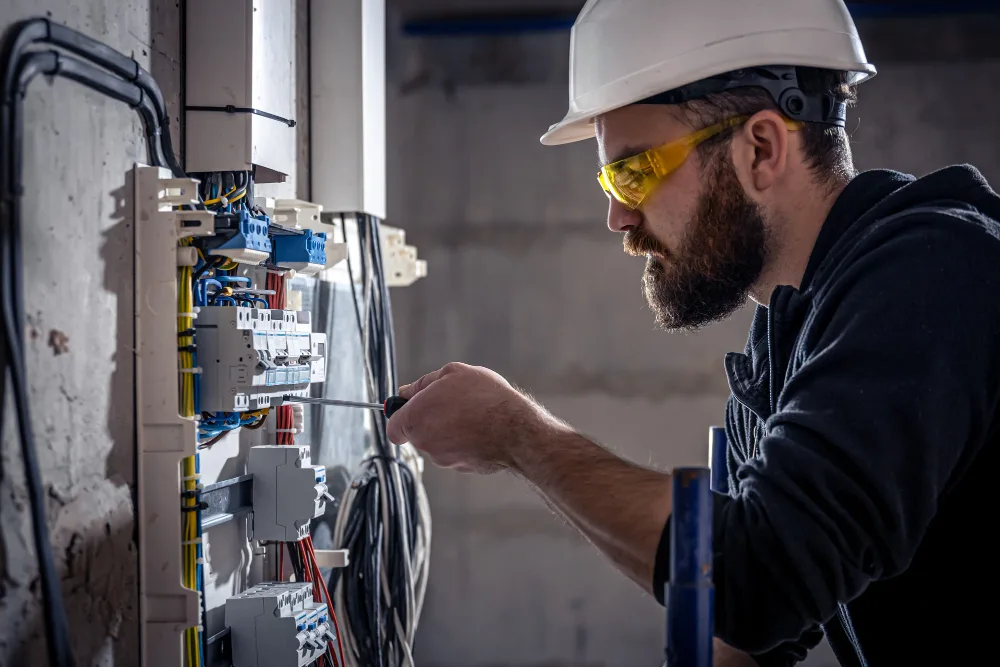
If you’re installing solar panels and battery storage together, the price will reflect the combined equipment, electrical work, and system configuration. Qualified Perth electricians can assess your home’s electrical setup and identify requirements that may not be obvious when comparing battery products online.
Backup Power Can Add to Your Overall Investment
If you want your battery to keep your home running during a blackout, tell your installer before choosing a system. Standard battery storage and backup power are not necessarily the same thing.
Battery capacity and power output also determine how much of your home you can run at once. According to the Australian Energy Market Operator (AEMO), batteries delivered 1,115 MW into Australia’s evening peak in Q1 of 2026. This demonstrates how battery storage can shift electricity from periods of high solar generation into higher-demand hours.
That said, you may want to keep your refrigerator, lights, internet connection, security system, and selected appliances operating during an outage. Larger loads such as air conditioning or electric hot water can require additional capacity and equipment, which can increase your overall investment.
Government Incentives Can Reduce Your Upfront Price
The amount you pay can also change depending on the incentives available when you install your battery. The Australian Government’s Cheaper Home Batteries Program provides around a 30% discount on eligible small-scale battery systems connected to new or existing rooftop solar.
The program has already had a substantial effect on battery uptake. In fact, the Energy Storage News reports that it had supported more than 160,000 battery installations and added over 3.6 GWh of storage capacity by December 2025.
Meanwhile, Western Australian (WA) households may also qualify for the WA Residential Battery Scheme. For eligible WA households, the state scheme offers rebates of up to $1,300 for Synergy customers or $3,800 for Horizon Power customers, along with no-interest loans of up to $10,000 for qualifying households.
These incentives have specific eligibility and equipment requirements, so don’t assume every battery installation qualifies. Ask your installer to identify the incentives available to you and show how they affect the final amount payable in your quote.
Compare the Complete System, Not Just the Battery
Once you start collecting quotes, you may notice significant differences between suppliers. If you’re planning solar installation in Perth, one quote may appear cheaper because it includes fewer features or excludes electrical work that another installer has already accounted for.
Compare each quote based on:
- Battery capacity and usable capacity
- Battery technology and efficiency
- Warranty and expected lifespan
- Inverter compatibility
- Installation and electrical work
- Backup functionality
- Monitoring and energy management
- Applicable government incentives
- Total installed price
This approach gives you a clearer picture of what you’re actually purchasing. It also helps you avoid choosing a battery simply because its advertised price looks attractive.
Get a Battery Quote Designed Around Your Home

Understanding what affects your solar and battery price can help you compare quotes with greater confidence. Capacity, technology, installation requirements, and backup features can all influence the final amount. So, the cheapest battery is not necessarily the best choice for your home.
SolArk Electrical can assess your existing solar setup, electricity consumption, and electrical requirements before recommending a battery configuration. If you’re looking for the best solar company in Perth, SolArk can help you understand what your home actually needs rather than selling you more storage than you can use. For more information, get in touch with us today!
Frequently Asked Questions (FAQs)
Here are answers to common questions about solar and battery prices:
Are solar batteries worth it?
Solar batteries can be worth it if you generate excess solar during the day and use significant electricity after sunset. Your potential savings depend on your energy usage, battery size, electricity rates, and installation cost.
Will installing a battery require changes to my electricity meter?
It can, depending on your existing setup and how the battery connects to your home’s electrical system. Your installer can determine whether metering changes or other network requirements apply to your property.
Is it cheaper to install solar panels and a battery together?
Installing both at the same time can simplify system design and may reduce some duplicated installation work. Your installer can compare the total cost of a combined system with adding a battery later.