
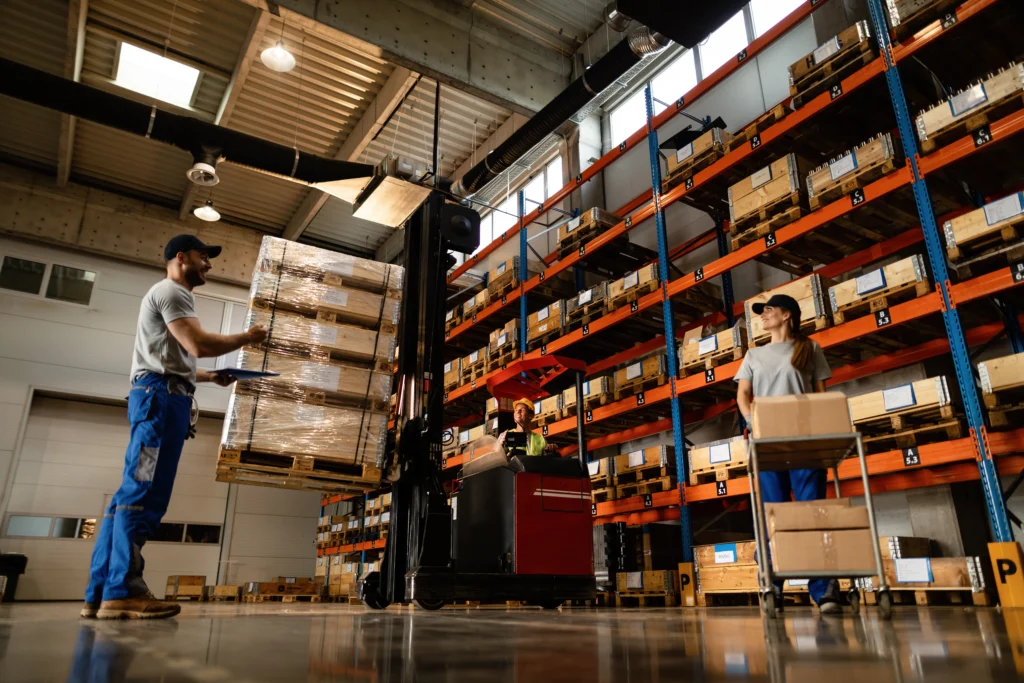
Choosing Commercial Solar Perth systems gives warehouse and logistics operators an effective way to convert expansive roof space into a reliable, low-cost energy asset. These warehouses and logistics facilities in Perth operate in large establishments that require significant daytime electricity demand. Its large roof areas make them strong candidates for on-site energy generation. In fact, the Clean Energy Council shared that over 4.2 million households and businesses have installed rooftop solar systems.
For warehouse and logistics owners in Perth, a large roof space can be maximised with a carefully designed commercial solar system. These systems benefit facilities due to their electricity-intensive equipment, including HVAC units, automated handling equipment, and computers. Hence, the right system matches the facility’s energy profile and daily operations.
Why Warehouses Are Ideal for Commercial Solar Perth Systems
Large facilities combine two important factors for solar adoption, which are available roof space and consistent electricity consumption. Here’s what makes them ideal for commercial solar systems in Perth:
Large Roof Space for Solar Systems
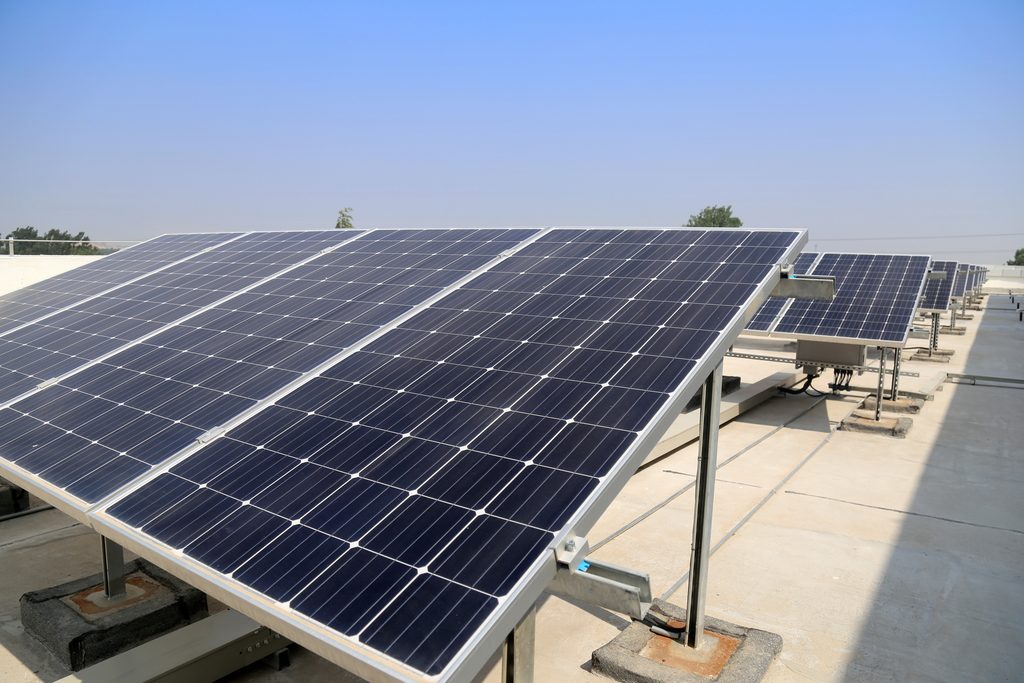
According to Energy.gov.au, solar contributes 19.7% to Australia’s total electricity. Warehouse roofs have advantages that smaller commercial properties cannot match. Its broad, relatively unobstructed surfaces accommodate larger arrays of solar while limiting challenges caused by surrounding buildings or shading. Other features of these facilities include:
- Expansive roof areas suitable for multiple solar panels
- Minimal shading from nearby structures
- Long roof sections that allow organised panel layouts
- Existing electrical infrastructure designed for commercial operations
That said, availability of roof space does not determine the size of solar. A professional assessment from a commercial solar Perth installer should examine its structural capacity and network requirements.
Daytime Operations Match for Commercial Solar Generation
According to the DCCEEW, commercial buildings contribute 25% of Australia’s overall electricity usage. A facility’s operating hours make them a compatible candidate for solar installation. Its energy output increases during the morning and reaches higher production levels around midday, overlapping peak electricity demand.
Let’s take a distribution centre in Perth as a practical example. During working hours, employees may use warehouse lighting, office equipment, HVAC systems, refrigeration, conveyor belts, and charging stations. During this time also, rooftop solar panels generate electricity to support their activities.
Refrigeration Creates Consistent Daytime Electricity Load
Temperature-controlled facilities have the most demanding electricity requirements among warehouse operations. For this reason, refrigeration equipment should maintain stable temperatures for sensitive products and goods. At most, these facilities rely on the following:
- Refrigeration compressors
- Evaporators and condensers
- Cooling fans
- Temperature monitoring systems
- Automated storage and retrieval equipment
Refrigeration systems operate for extended periods, making Commercial Solar Perth solutions ideal for supplying a significant portion of daytime electricity requirements. These cooling demands are especially relevant during Perth’s warmer seasons.
HVAC and Lighting Increase Daytime Solar Consumption
The next major opportunity comes from the systems that keep warehouses comfortable, visible, and operational. For warehouses with enclosed spaces, HVAC and lighting may run simultaneously even during daytime hours. Warehouse offices, staff areas, loading zones, and temperature-sensitive spaces all require air conditioning and ventilation.
For this reason, planning a commercial solar Perth system requires careful assessment of the facility’s structural capacity and peak energy demands. It should consider the facility’s electrical loads, operating schedule, roof condition, and expected future demand.
Equipment Loads Can Make a Large Roof Even More Valuable
Warehouses and logistics facilities have pieces of equipment that consume a significant amount of electricity throughout the day. Matching these loads with solar generation maximizes the return on investment for any Commercial Solar Perth installation as it increases the amount of generated electricity a business uses on-site. Some of these systems include:
- Conveyor systems
- Automated sorting equipment
- Forklift charging stations
- Pumps and motors
- Packaging machinery
- Dock equipment
- Automated storage and retrieval systems
For example, a logistics facility in Perth charges electric forklifts during the day. If charging takes place while the solar array is generating electricity, part of that demand can be supplied by the rooftop system. Meanwhile, facilities looking into Commercial Solar Perth installations with primary overnight operations can integrate battery storage to maximize their generated power.
Turn Your Warehouse Roof Into an Energy Asset
Large commercial facilities offer advantages for on-site solar energy systems when they match the establishment’s electricity needs. When these intricate systems and high-demand equipment operate while solar generates electricity, it reduces reliance on grid power. So, if you’re looking to integrate solar in your establishment, reach out to a professional near you.
If you live near or in Perth, and are looking to integrate a reliable Commercial Solar Perth setup for your warehouse facility, SolArk Electrical can assess your facility to determine the right solar system for your needs. Our licensed electricians can also help you understand your property’s solar potential and plan a system around your current and future electricity demand. For more information, call our solar company in Perth today!
Frequently Asked Questions (FAQs)
Here are answers to commonly asked questions about solar systems for large facilities:
Is solar worth it for large facilities in Perth?
Solar can be a worthwhile investment for large facilities with substantial daytime electricity demand. For guided decisions, getting a professional assessment from an expert can determine whether the roof space, energy usage, and operating schedule suit solar.
Can solar panels be installed on an older warehouse roof?
Yes, solar panels can be installed on an old roof. However, it should first undergo a structural and condition assessment. Any repairs or upgrades should be completed before installation.
Can a warehouse continue operating normally during solar installation?
In most cases, warehouse operations can continue during installation with proper planning. However, solar installers may need to coordinate access and electrical work to minimise disruption to daily activities.