
Most homeowners expect their ceiling fan to run smoothly and quietly, but poor installation often leads to wobbling and noise within days. What starts as a minor performance issue can also develop into a more serious electrical hazard if left unresolved. In fact, Energy Safe Victoria reported in its 2024-25 Annual Report that electrical faults, including installation-related issues, contributed to 77 residential fires during the year.
When you hire a trusted local electrician, you significantly reduce the risk of these problems because correct mounting, wiring, and balancing directly affect stability and long-term performance. After all, even small mistakes during setup can quickly turn a simple cooling solution into a constant source of noise, vibration, and frustration.
Most Common Errors in Ceiling Fan Installations
Understanding these common ceiling fan installation errors helps you avoid wobbling, noise, and long-term performance issues.
Improper Mounting That Leads to Immediate Wobbling
You rely on secure mounting to keep your ceiling fan stable, but many installation issues start right here. If the fan is not fixed to a reinforced ceiling joist or a fan-rated bracket, movement begins immediately once it spins.
To show how closely electrical safety is tied to proper installation practices, the Queensland Government Electrical Safety Office reports that 21 electrical safety notices were issued during the 1st quarter of 2025-26. This highlights how often installation standards, not the fan itself, contribute to performance and safety issues.
When you hire ceiling fan installation services from a qualified professional, they assess the ceiling structure and mounting support before installation begins. Without that step, even a high-quality fan can become unstable during normal use.
Electrical Wiring Errors That Cause Noise and Vibration
Loose or incorrect wiring often causes humming, buzzing, or inconsistent fan speeds that feel like mechanical issues but are actually electrical faults.
To show how common electrical safety issues still are, the Office of the Technical Regulator in South Australia received 1,681 electric shock reports during the 2023-24 period. And, more than 79% were linked to electrical installations, appliances, or infrastructure faults.
This means wiring mistakes are not rare and often go unnoticed until the fan starts making noise or operating inconsistently. If you contact Perth electricians, they will test circuit load, grounding, and wiring connections before completing installation.
Blade Imbalance and Poor Assembly Techniques
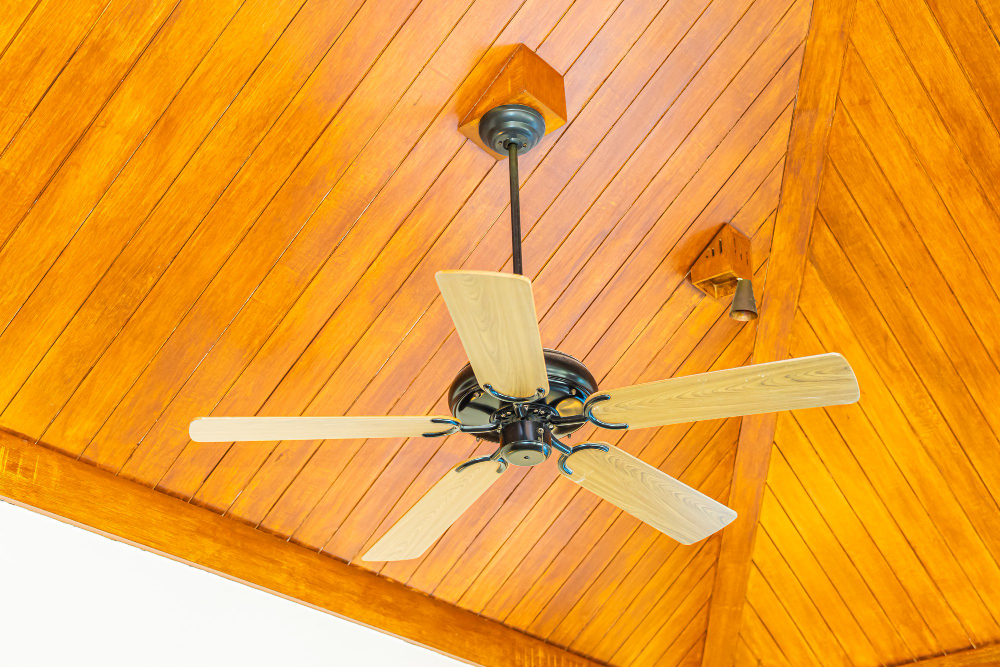
Even when mounting and wiring are done correctly, blade imbalance can still cause wobbling and noise. You might assume ceiling fan blades are perfectly aligned straight out of the box, but small differences in blade weight, angle, or tightening pressure can create noticeable vibration once the fan runs at higher speeds.
This issue often shows up when one blade sits slightly lower or tighter than the others, causing uneven rotation. Even a few millimetres of variation can turn into a visible shake at full speed, especially in larger rooms or higher ceiling installations.
When you rely on licensed local electricians, they check blade alignment carefully, tighten fittings evenly, and run balancing tests before finalising the installation.
For homeowners working with an electrician in Rockingham, this level of precision is especially important. It ensures ceiling fans operate safely in coastal homes where airflow conditions can vary. Experienced electricians also make small adjustments using balancing kits when needed to smooth out rotation and eliminate vibration.
Incorrect Placement and Airflow Disruption
Placement can also affect how well your ceiling fan performs. For instance, if you install it too close to a wall, ceiling beam, or light fixture, the airflow becomes restricted. This restriction can create uneven air movement, which often feels like vibration or adds unnecessary noise during operation.
In fact, CeilingFans.com.au highlights that ceiling fans should maintain at least 50cm clearance from walls and obstacles. This is because restricted spacing can significantly reduce airflow efficiency and increase turbulence that contributes to wobbling or noise issues. Proper placement also improves overall comfort and circulation consistency in a room.
When you search for local electricians near you, you’ll often find professionals who assess room size, ceiling height, and airflow direction before installation. This ensures smooth operation, reduced noise, and consistent cooling performance.
Skipping Final Testing and Speed Calibration
Even after installation, skipping final testing often leads to unresolved issues. Without proper speed testing and vibration checks, minor issues remain unnoticed until the fan is in regular use.
This is where experience matters most. Many homeowners only realise the issue when noise becomes noticeable at higher speeds. When you rely on a local electrician near you, they always test multiple speed levels, check stability, and fine-tune balance before finishing the job. As a result, this final step prevents long-term performance problems.
Professional Installation Prevents Long-Term Issues
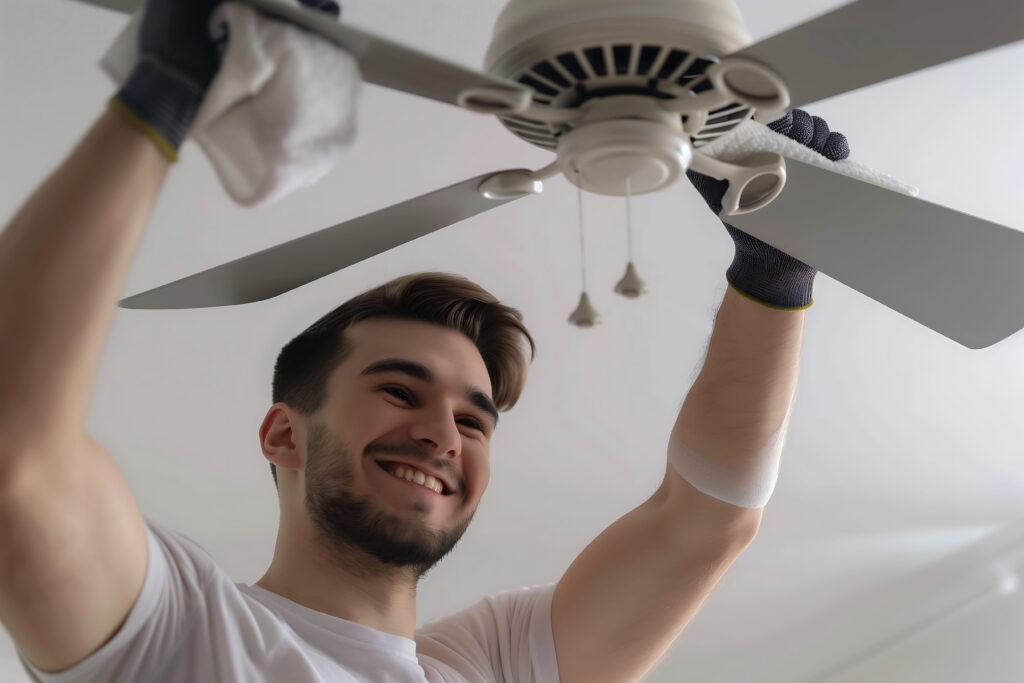
Most ceiling fan problems come from installation mistakes, not faulty products. Wobbling, noise, and vibration usually trace back to poor mounting, wiring errors, or skipped balancing steps. That’s why if you want reliable performance, you need a correct installation from the start.
When you work with SolArk Electrical, you get expert service from a trusted local electrician who ensures your ceiling fan is installed safely. Our team handles every step with precision so you avoid costly repairs and unnecessary frustration. For more information on our services, contact us today!
Frequently Asked Questions (FAQs)
Here are answers to common questions about ceiling fan installations:
How long does a ceiling fan installation usually take?
Most standard installations take about 1 to 2 hours when existing wiring and support are already in place. If new wiring or structural support is required, it can take longer depending on the complexity.
How much to install a ceiling fan?
The cost to install a ceiling fan varies depending on your home setup, wiring, and ceiling type. You can contact your local electrician for an accurate quote tailored to your specific installation needs.
Can I install a ceiling fan where a light fixture already exists?
Yes, but only if the existing electrical box is fan-rated and properly supported. An electrician will check the structure first to ensure it can safely handle the fan’s weight and movement. If the roof can’t handle the weight of the fan, we install a beam in the roof to ensure the fan has the necessary support.