
Choosing the right commercial solar Perth system for your business involves more than simply covering your roof with panels. A properly sized system helps reduce electricity costs, improve energy efficiency, and maximise your return on investment. As demand for renewable energy grows, more Australian businesses are turning to tailored commercial solar Perth solutions.
In fact, the Clean Energy Council reports that Australia had installed 26.8 GW of rooftop solar capacity across 4.2 million homes and businesses in 2025. As such, this highlights the continued growth of solar adoption nationwide.
So, if you’re considering commercial solar solutions in Perth, understanding how systems are sized can help you make a more informed investment decision.
Why Every Business Needs a Different Solar System
Before discussing system sizes, it helps to understand why no two commercial installations are exactly alike. For instance, a retail store, warehouse, office building, and manufacturing facility all use electricity differently. Some businesses consume most of their energy during daylight hours, while others operate around the clock. These usage patterns directly influence how much solar capacity your business requires.
That said, a professional commercial solar installer evaluates your electricity consumption, operating hours, available roof space, and future growth plans before recommending a system size.
Evaluating Your Electricity Usage
As renewable energy adoption continues to grow, businesses are paying closer attention to energy management. According to the Clean Energy Regulator, Australia recorded a Q1 solar installation record of 791 MW in 2026. This specifically represents a 21% increase compared to the same period in 2025.
As such, the first step in sizing a commercial solar system is reviewing your energy usage. Your installer will typically examine:
- Electricity bills from the past 12 months
- Seasonal energy fluctuations
- Peak demand periods
- Daytime versus nighttime consumption
- Future energy requirements
This analysis helps determine how much of your electricity demand the solar system can realistically offset.
Key Factors That Determine Commercial Solar System Size
Once your energy usage is understood, these additional factors influence the final system design.
Business Type
Every business uses electricity differently, which is why energy consumption is one of the first factors considered during system design. For example, retail stores often rely on lighting and air conditioning throughout trading hours, while offices power computers, servers, and HVAC systems.
Meanwhile, warehouses and manufacturing facilities typically have higher energy demands, requiring larger systems to offset operational costs effectively.
Available Roof Space
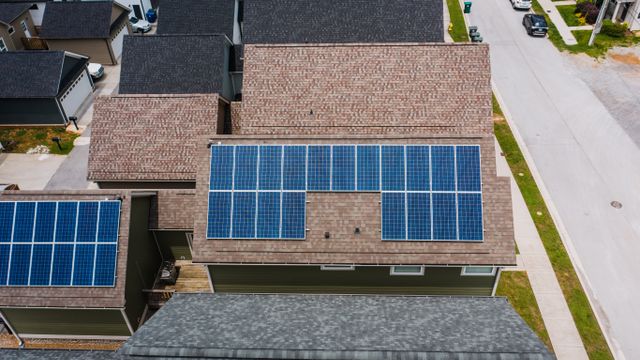
The amount of usable roof space directly affects how many solar panels can be installed. However, size is not the only consideration. Roof orientation, shading from nearby structures, and the building’s structural integrity all influence system performance.
When planning commercial solar, Perth, installers assess these factors to maximise energy generation and long-term value.
Business Growth Plans
A solar system should support where your business is heading, not just where it is today. If you anticipate expanding operations, purchasing additional equipment, increasing staffing levels, or installing electric vehicle (EV) chargers, these future energy demands should be factored into the design.
For this reason, planning ahead can help avoid costly upgrades later and ensure your system remains effective for years.
Typical Commercial Solar Sizes by Business Category
While every project is unique, certain size ranges are common.
Small Businesses (10kW to 30kW)
Small commercial solar systems in Perth are often well-suited to cafés, retail stores, and professional offices with moderate daytime energy usage. A commercial solar Perth system within this range can help offset electricity consumed by lighting, air conditioning, and essential equipment.
For many small businesses, it provides a practical balance between upfront investment and long-term energy savings.
Medium Businesses (30kW to 100kW)
Medium-sized systems are commonly installed by medical centres, larger office buildings, hospitality venues, and businesses operating across multiple locations. These organisations typically have higher and more consistent energy demands throughout the day.
As a result, properly designed commercial solar panels can provide your Perth business with substantial savings while improving overall energy efficiency.
Large Commercial and Industrial Facilities (100kW+)
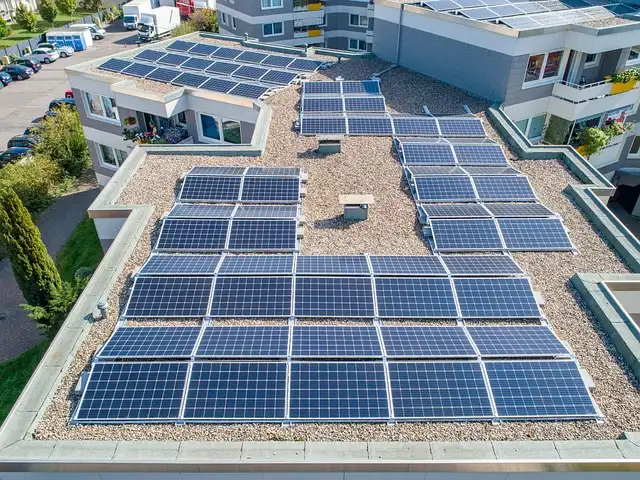
Large-scale systems are designed for energy-intensive operations such as warehouses, distribution centres, factories, and industrial facilities. These businesses often have significant roof space and high daytime electricity consumption. In this way, it makes them ideal candidates for commercial solar, Perth.
A larger system can generate considerable energy output, helping reduce grid reliance and lower operating costs.
The Role of Battery Storage
Solar panels generate electricity during daylight hours, but many businesses continue operating after sunset. This is where battery storage becomes valuable.
In fact, battery storage is becoming an increasingly important part of commercial energy planning. According to ESS News, Australia registered a record 1.2 GWh of small-scale energy storage capacity in February 2026, representing a 24% increase compared to January 2026. This growth highlights the rising demand for battery solutions that help businesses store excess solar energy, reduce grid reliance, and improve energy resilience.
With that in mind, adding a solar and battery solution allows your Perth business to:
- Store excess daytime energy
- Reduce reliance on grid electricity
- Improve energy resilience
- Manage peak demand charges
Why Oversizing or Undersizing Can Cost You
Bigger is not always better when it comes to commercial solar. An oversized system can increase upfront costs and extend payback periods, while an undersized system may leave you heavily reliant on grid electricity and limit potential savings.
This is particularly important as energy costs remain a major concern for businesses. In 2026, the Australian Chamber of Commerce and Industry noted that small business electricity prices had increased by 15-27% over the previous three years. This basically highlights the need to maximise every solar investment.
During a commercial solar installation, a commercial solar Perth electrician will balance energy demand, budget, and future growth to ensure the system is sized for optimal performance and long-term value.
Discover the Right Solar System Size for Your Business
Sizing a solar system correctly is one of the most important steps in achieving long-term energy savings. By analysing your electricity usage, available space, operational requirements, and future growth plans, you can invest in a solution that delivers measurable value for years to come.
At SolArk Electrical, we specialise in commercial solar in Perth. We help businesses invest in systems that match their energy demands, budget, and long-term objectives. Our team designs tailored solar and battery solutions that maximise performance, improve efficiency, and support future growth. For more information on our services, get in touch with us today!
Frequently Asked Questions (FAQs)
Here are a few common questions business owners ask before investing in a commercial solar system:
How efficient are commercial solar panels?
Most commercial solar panels operate at an efficiency of around 18% to 23%, depending on the technology and manufacturer. Higher-efficiency panels can generate more electricity from the same roof space, making them ideal for businesses with limited installation areas.
How long does a commercial solar installation take?
Most installations take anywhere from a few days to several weeks. The timeline depends on system size, approvals, and site complexity.
Can I expand my commercial solar system later?
Yes. Many commercial systems can be expanded if your energy requirements increase over time. Future-proofing should be discussed during the initial design stage.