

You open your electricity bill and pause. The number looks higher than expected. You think, “We barely used the heater,” or “Nothing has changed.” Yet the total keeps rising.
Well, you are not alone. According to the Australian Energy Regulator, residential electricity prices increased in several states between 2023 and 2024, with standing offer prices rising by up to 25 percent in some regions due to wholesale and network cost pressures.
In many cases, the problem is not how much electricity you use but hidden inefficiencies within your home. With professional electrical services, issues are identified and corrected before they quietly inflate your bills.
Causes of High Power Bills
Small inefficiencies across wiring, lighting, appliances, and solar systems compound over time. Below are seven common causes that many Australian homeowners overlook.
1. Outdated or Deteriorating Wiring Reduces Energy Efficiency
Older wiring systems create electrical resistance, which wastes energy as heat. Voltage drops force appliances to draw more current to function properly. That extra draw increases your power consumption.
Warning signs include flickering lights, warm or discoloured outlets, and frequently tripping breakers. Many homeowners do not realise their wiring may be decades old.
With licensed electrical services, they address this through:
- Comprehensive wiring inspections
- Circuit upgrades
- Safe rewiring to improve efficiency
That said, The Guardian reports that over 70 percent of Australian homes were built before modern energy efficiency standards were introduced. That means many properties still rely on outdated infrastructure.
2. Inefficient Lighting Systems Increase Daily Consumption
Traditional halogen and incandescent bulbs consume significantly more power than LED alternatives. Outdoor and security lighting left running overnight can quietly raise your bill.
In fact, the Australian Government’s YourHome guide notes that LED lighting uses up to 75 percent less electricity than incandescent bulbs and lasts much longer.
Professional upgrades include LED retrofits, smart lighting installations, and motion-sensor systems. For households considering upgrades, even licensed Perth electricians report that lighting replacements are among the quickest ways to reduce electricity costs.
3. Phantom Power and Standby Energy Drain Add Up
Phantom load refers to the electricity consumed by devices even when they are switched off. Televisions, routers, chargers, gaming consoles, and microwaves continuously draw small amounts of power.
According to Science Direct, the Australian Government estimates that standby power can account for up to 10 percent of a household’s electricity use. Over a year, that percentage becomes substantial. For example, a home spending $2,500 annually on electricity could waste $250 on standby devices alone.
Solutions include:
- Smart power boards
- Programmable timers
- Whole-home energy monitoring systems
The good thing is that qualified electrical service providers can install load control solutions that reduce unnecessary energy consumption without compromising convenience.
4. Faulty or Outdated Switchboards Strain Modern Loads
Older switchboards were not designed for today’s appliance-heavy households. With overloaded circuits, efficiency is reduced, and safety risks increase.
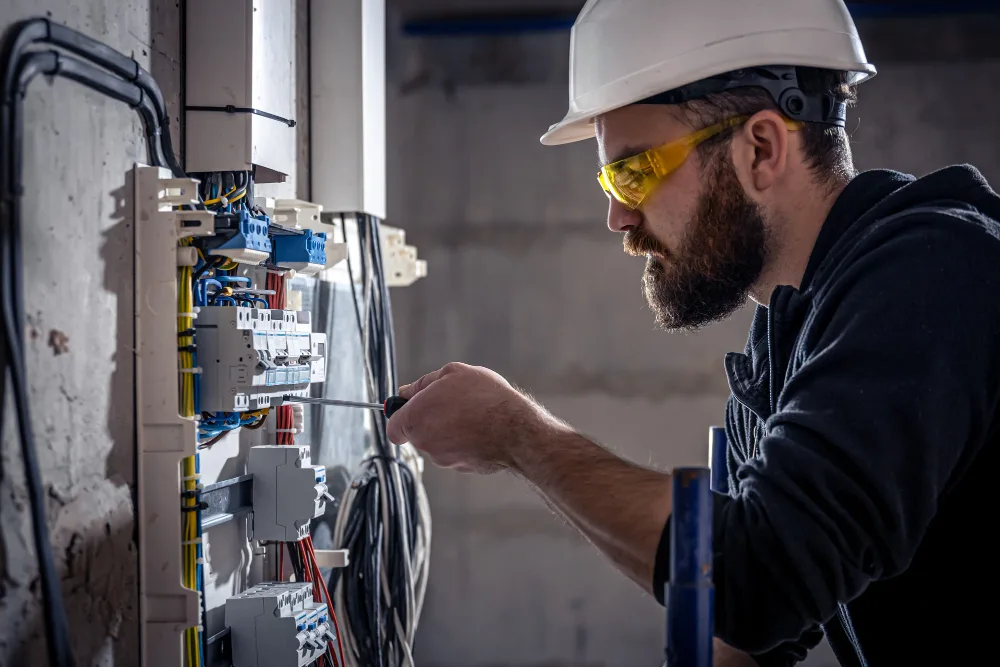
In short, modern homes feature air conditioning, induction cooktops, home offices, and even EV chargers. Without proper load distribution, circuits work harder than necessary. That said, switchboard upgrades by reliable electrical services in Perth often include load redistribution, the proper installation of safety switches, and capacity upgrades. These improvements enhance safety while reducing strain that leads to wasted energy.
5. Poor Solar System Integration Limits Savings
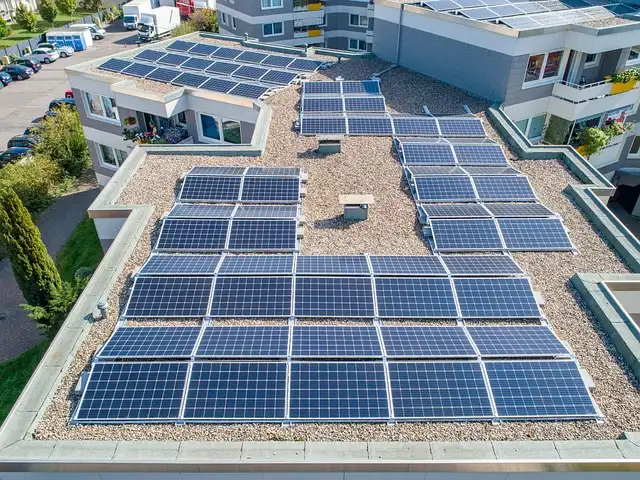
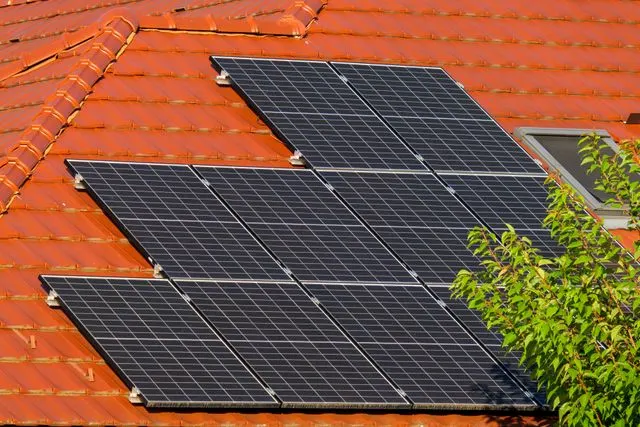
Many Australian homes have solar but still receive high electricity bills. In fact, according to the Clean Energy Council, more than 3.5 million rooftop solar systems were installed across Australia by 2023. However, savings depend on system performance.
Common issues include:
- Inverter inefficiencies
- Incorrect system sizing
- Poor grid configuration
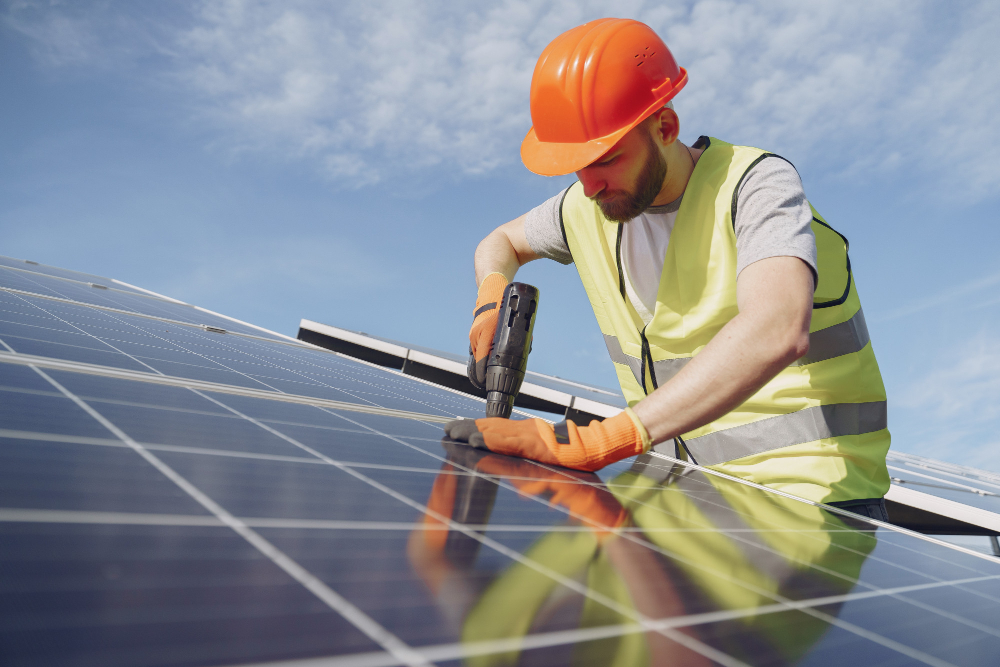
Professional solar panel repairs and performance testing ensure systems operate at full capacity. When electrical services assess solar integration, they often identify mismatches in components or gaps in monitoring that reduce output.
Battery storage integration and smart monitoring can significantly increase self-consumption and reduce reliance on the grid.
6. Overworked Appliances Due to Electrical Imbalance
Appliances such as air conditioners and hot water systems consume large amounts of energy. When circuits are poorly allocated, these systems draw more power than necessary. The Australian Bureau of Statistics reports that heating and cooling account for around 40 percent of household energy use.
Electrical solutions include dedicated circuits, load balancing, and efficiency testing. Even upgrades like proper ceiling fan installation improve airflow efficiency, reducing reliance on air conditioning.
7. Lack of Energy Monitoring Hides Waste
Many homeowners guess where energy goes. Without data, inefficiencies remain hidden. Fortunately, smart monitoring systems provide real-time insights into:
- Peak usage periods
- Appliance-level consumption
- Off-peak opportunities
In simple terms, “When you can see where power is going, you can control it.” Professional Perth electricians install monitoring tools that allow households to shift heavy loads to off-peak hours and identify unusual spikes before bills rise further.
Book an Electrical Inspection and Lower Your Bills

High power bills often stem from technical issues rather than excessive usage. Outdated wiring, inefficient lighting, standby power, solar inefficiencies, and poor load management all contribute. Instead of guessing, schedule a professional assessment.
At SolArk Electrical, we have an experienced team that provides comprehensive electrical services to enhance safety, improve efficiency, and deliver long-term savings. Book an electrical inspection or energy-efficiency assessment today and take control of your power costs.
Frequently Asked Questions (FAQs)
Check out some key things you need to know about electrical safety.
How often should I have an electrical inspection?
Every 3 to 5 years for standard homes. Older properties may require more frequent inspections.
How much do electricians charge in Perth?
Rates vary based on scope (eg, ceiling fan installation), urgency, and materials. Most standard callouts start with a service fee plus hourly labour.
Can electrical services improve solar performance?
Yes. System audits, solar panel repairs, inverter testing, and monitoring upgrades can significantly increase efficiency.