
You rely on electricity constantly, but you rarely think about what keeps your home safe when something goes wrong. In fact, SafeWork NSW has recorded over 1,000 electrical incidents and nearly 600 injuries in workplaces and residential settings combined since 2020. That number highlights why your switchboard matters more than you think.
When you engage in electrical services, you often hear the terms like main switch and circuit breaker used interchangeably, but they serve very different roles. If you misunderstand them, you may respond incorrectly during an electrical fault and risk damaging your home or appliances.
What a Main Switch Does in Your Home’s Electrical System
You control your home’s power supply through the main switch. When you flip it off, you shut down electricity to the entire property in one action. The main switch acts as your emergency isolation point. You use it when you need total shutdowns for repairs, upgrades, or safety issues like burning smells or water leaks near wiring.
To put this into perspective, the NSW Government reports that electrical faults and appliances account for around 40% of electrical fires each year. This highlights why you need to understand exactly what the main switch does before an emergency happens.
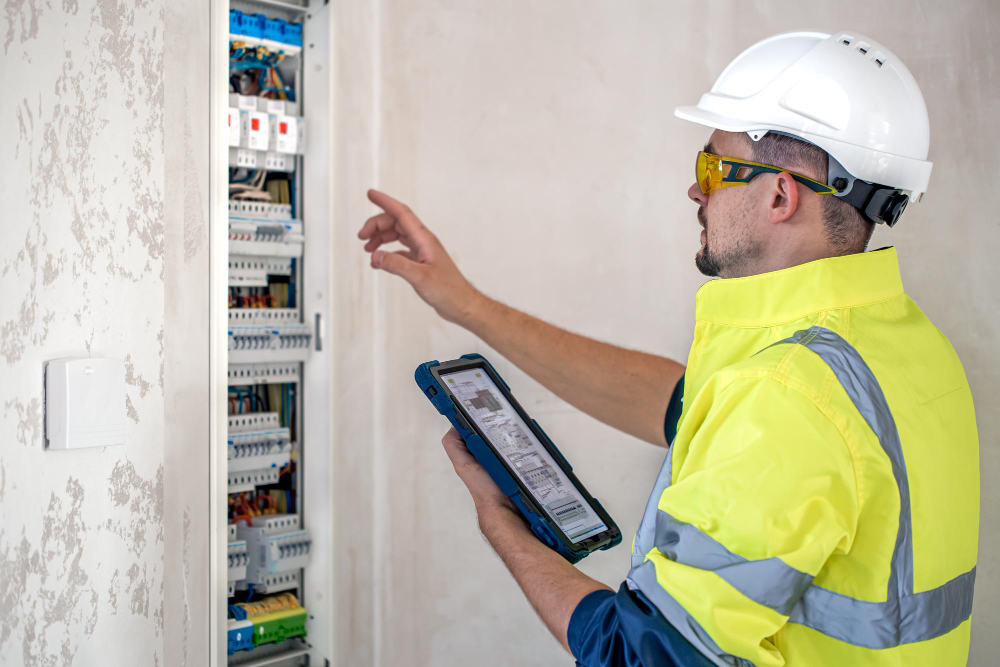
Unlike other components, the main switch doesn’t protect circuits. It only controls the full power supply, meaning it doesn’t trip automatically when faults occur. If you book Perth electricians for inspections, they often check whether your main switch clearly isolates the system, especially in older homes where switchboards lack modern safety upgrades.
What a Circuit Breaker Actually Protects in Your Home
A circuit breaker protects individual electrical circuits rather than the entire home. It automatically shuts off power when it detects overloads, short circuits, or faulty appliances, preventing overheating and electrical fires.
To understand how serious electrical risks still are in Australian homes, Fire and Rescue NSW reported 1,020 residential fires and 94 injuries during the winter period in 2025. Electrical faults were also responsible for 7% of incidents, which shows that even a small electrical fault can quickly escalate without proper circuit protection in place.
That increase in risk explains why circuit breakers are important in modern safety systems. This is because each breaker connects to a specific area, such as lighting, power outlets, or kitchen appliances.
How Both Systems Work Together for Complete Protection
The main switch and circuit breakers serve different purposes, but they still work together as a safety system. The main switch gives you full control during emergencies, while circuit breakers provide automatic protection during everyday use.
To highlight the importance of proper electrical safety systems, Energy Safe Victoria reported that 81 infringement notices and 43 improvement notices were issued in 2024-2025. That level of enforcement shows how often electrical systems still fail to meet modern safety standards, especially in older homes or poorly maintained installations.
This shift shows how modern homes rely on structured electrical systems instead of outdated fuse-based designs. When you use residential electrical services, electricians ensure both components work correctly so your home stays protected during faults and overloads.
Common Confusion Between the Main Switch and the Circuit Breaker
You might assume the main switch and circuit breakers do the same job, but they serve very different purposes. This confusion often leads to unsafe actions during electrical issues.
For example, when a single circuit trips due to an overloaded appliance, some homeowners turn off the main switch instead of resetting just the affected breaker. That unnecessary shutdown cuts power to the entire home and disrupts everything, including safe circuits.
When you look for electric services near you, electricians often find this misunderstanding during switchboard inspections. For example, an electrician in Baldivis will often uncover this confusion during routine safety checks in local homes. Without proper identification, you may react too slowly or incorrectly during emergencies, increasing safety risks and delaying simple fixes.
When You Should Call a Licensed Electrician
Don’t ignore repeated circuit breaker trips or confusing switchboard behaviour, as these usually indicate overloaded circuits, deteriorating wiring, or a developing fault. If you notice flickering lights, burning smells near outlets or the switchboard, or power shutting off repeatedly, treat it as an urgent warning sign and arrange an inspection immediately.
After all, modern homes place a heavier demand on electrical systems due to air conditioners and high-powered kitchen appliances, which older switchboards were not designed to handle. Without proper upgrades, your system becomes unsafe and unreliable. This is when you need trusted electrical services in Perth to assess, repair, and upgrade your system for safe long-term performance.
Keep Your Electrical System Safe and Reliable
The main switch controls total power, while circuit breakers protect individual circuits from overload and faults. If you want long-term safety, you need both systems working correctly and updated for modern energy demands.
For expert help, SolArk Electrical provides trusted electrical services across Perth. Our licensed team inspects, upgrades, and installs systems designed for safety, efficiency, and compliance. So, let’s assess your switchboard and recommend the right solution for your home. For more information, contact us today!
Frequently Asked Questions (FAQs)
Here are answers to common questions about main switches and circuit breakers:
Can a circuit breaker replace a main switch?
No, a circuit breaker cannot replace a main switch because each serves a different function in your electrical system. The main switch isolates the entire property, while circuit breakers protect individual circuits from overloads and faults.
Do all homes need both a main switch and circuit breakers?
Yes, all modern homes need both a main switch and circuit breakers to ensure safe and controlled power management.
How do I reset a circuit breaker?
First, switch the circuit breaker fully to the “off” position, then flip it back to “on.” If it trips again, stop resetting it and call a licensed electrician to check for an underlying fault.